
Analyzing Various Subscription Models
Our mindset about subscriptions versus what app makers think, breaking down subscription patterns and who benefits from each.
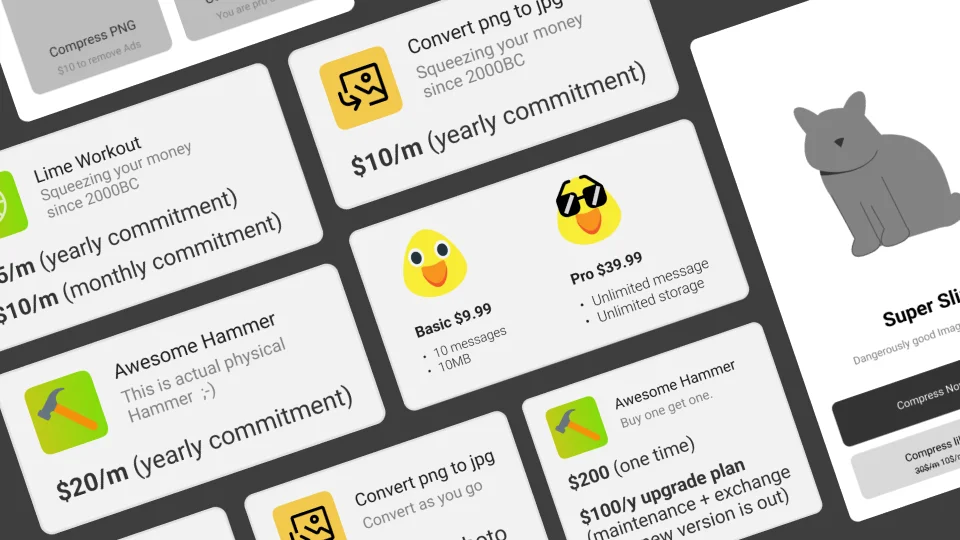
The Consumer Mindset vs. App Maker Economics
Is Subscription OK for Us?
Subscription is already around us. Haircut, groceries, bills — all are recurring payments. But we don’t feel these are not worth subscription. Because transactions happen before our own eyes making us feel we are in control. Plus, we have already accepted it is natural to pay again and again for those.
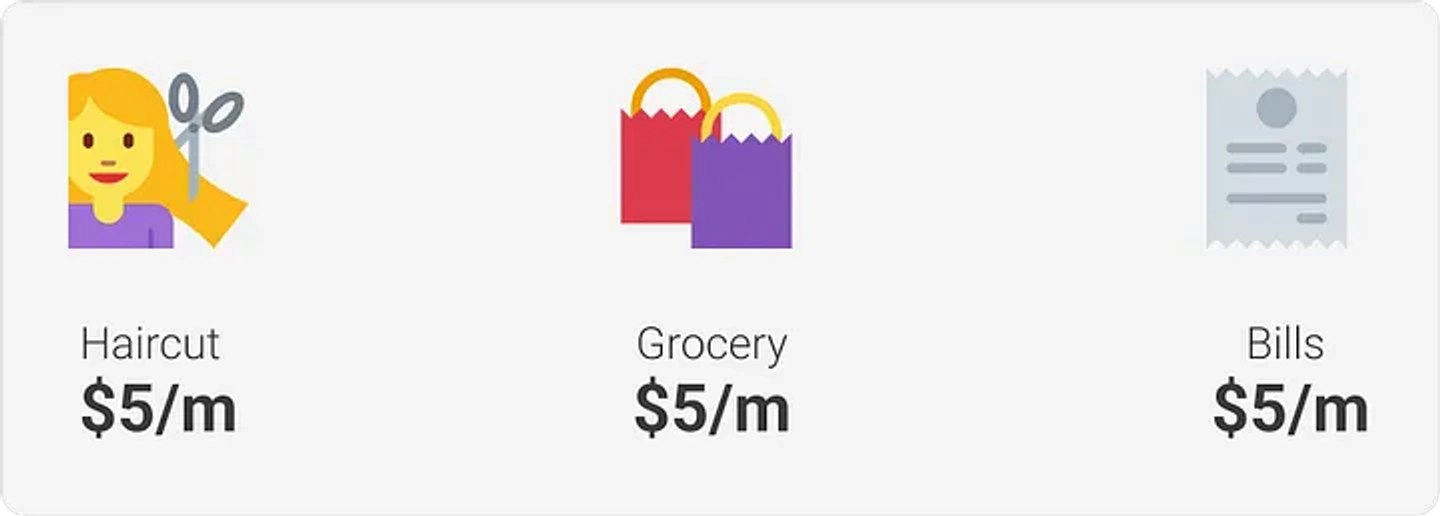
Subscription for these things sounds ridiculous, right? Nowadays, applications are starting to replace most of our day-to-day tools. E.g. We used to make music by playing — today, making music on a computer is more common. With that relation between tools, we felt that these apps should stay with one-time payment model.
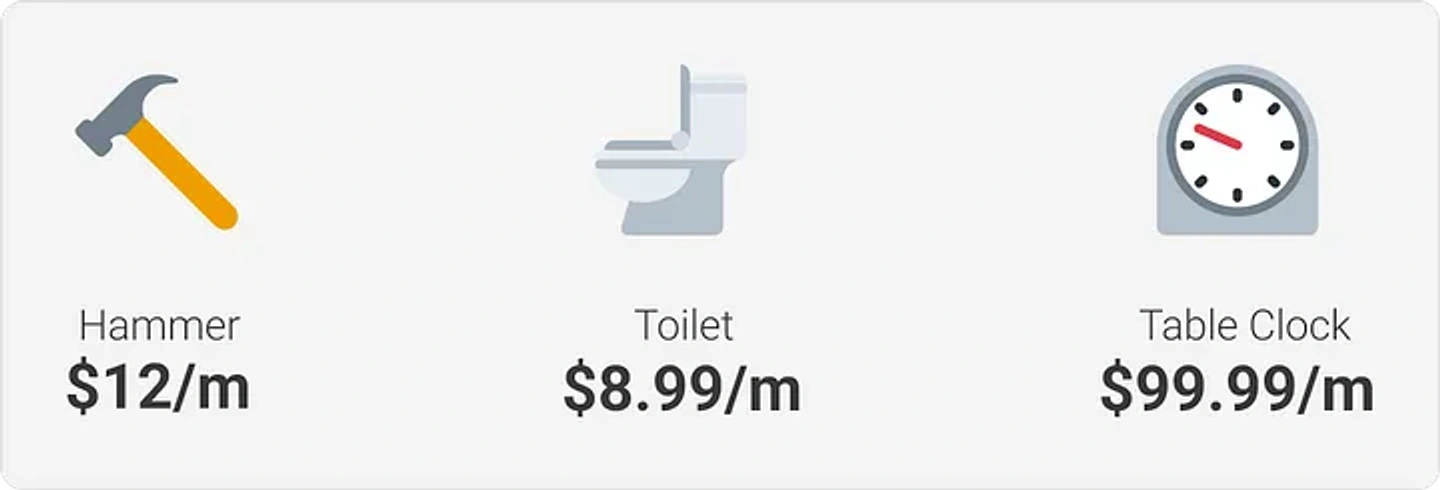
What If We Are App Makers
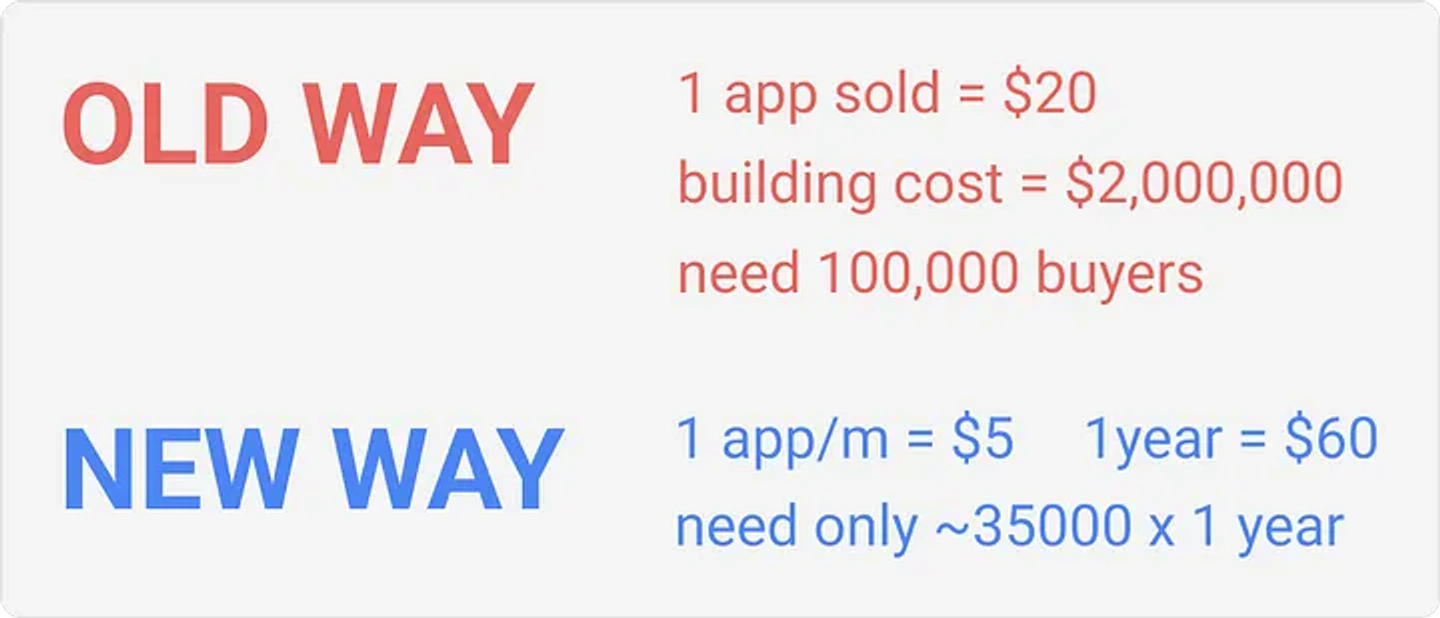
I have thought of starting an app. Subscription is a very lucrative model. In the old days of one-time purchase model, I, as a company, would only make a fixed amount from a user. For $20 app which costs 2M to build, we need 100,000 customers to make it back let alone thinking about profits.
With subscription of $5/m (cost of a soft drink per month), we would only need around 35,000 customers using our app for just a year. There are some difficulties, but still much easier than the classic model. It is no wonder, every business turns towards subscription.
Five Patterns of Subscription Friction
I have listed here a bunch of subscription patterns I have seen so far.
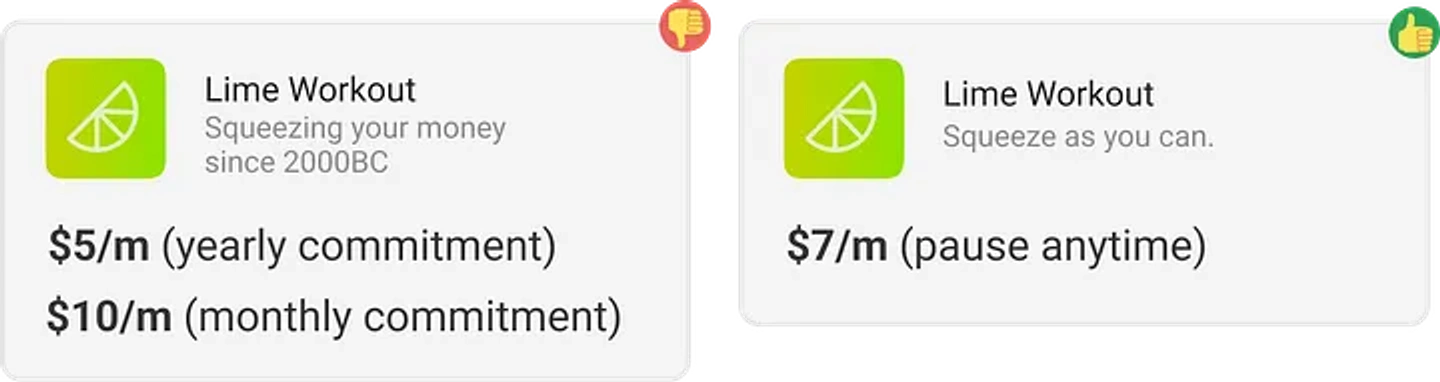
1. Flexible vs. Rigid Lock-In
Both models are quite common. But forcing yearly commitment by making a wide gap between yearly and monthly payments will hurt the reputation even if the product is giving really good value. It is true as a business that I will also want customers to commit longer. But this way will not earn loyalty.
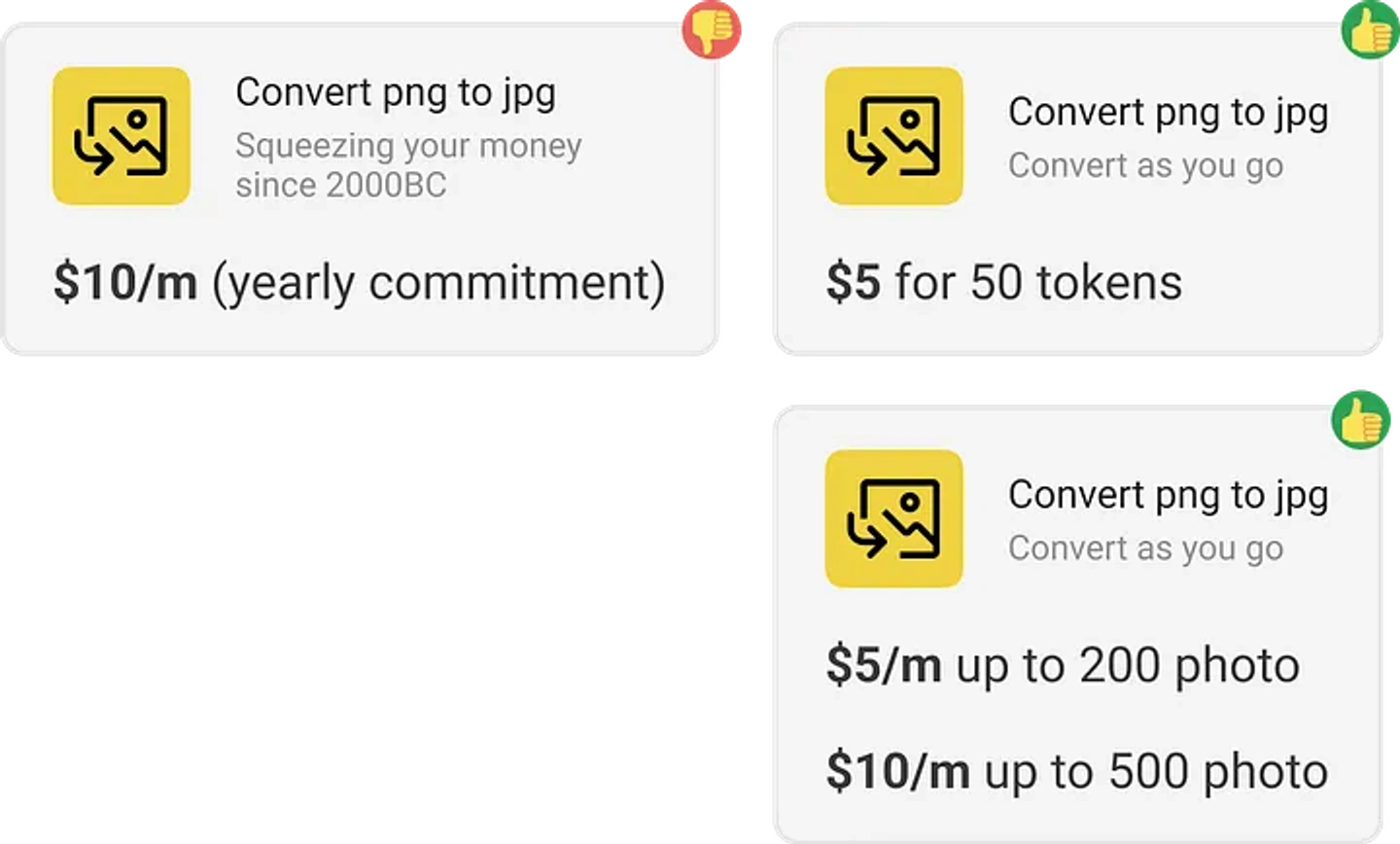
2. Overcharging & The Token Alternative
To be clear, it is overcharged from the perspective of the customer. Business might have reasons. But most of the time, it is obvious when the price is too high for what it is doing. It will be a shame if it is a good service since few customers will get exposure. In this case, token feature makes sense (one token to do one task). If you are simply curious, you can buy a few tokens for a cheap price and use them without time limitation. Even monthly task limits based on frequency of use is a much better approach.
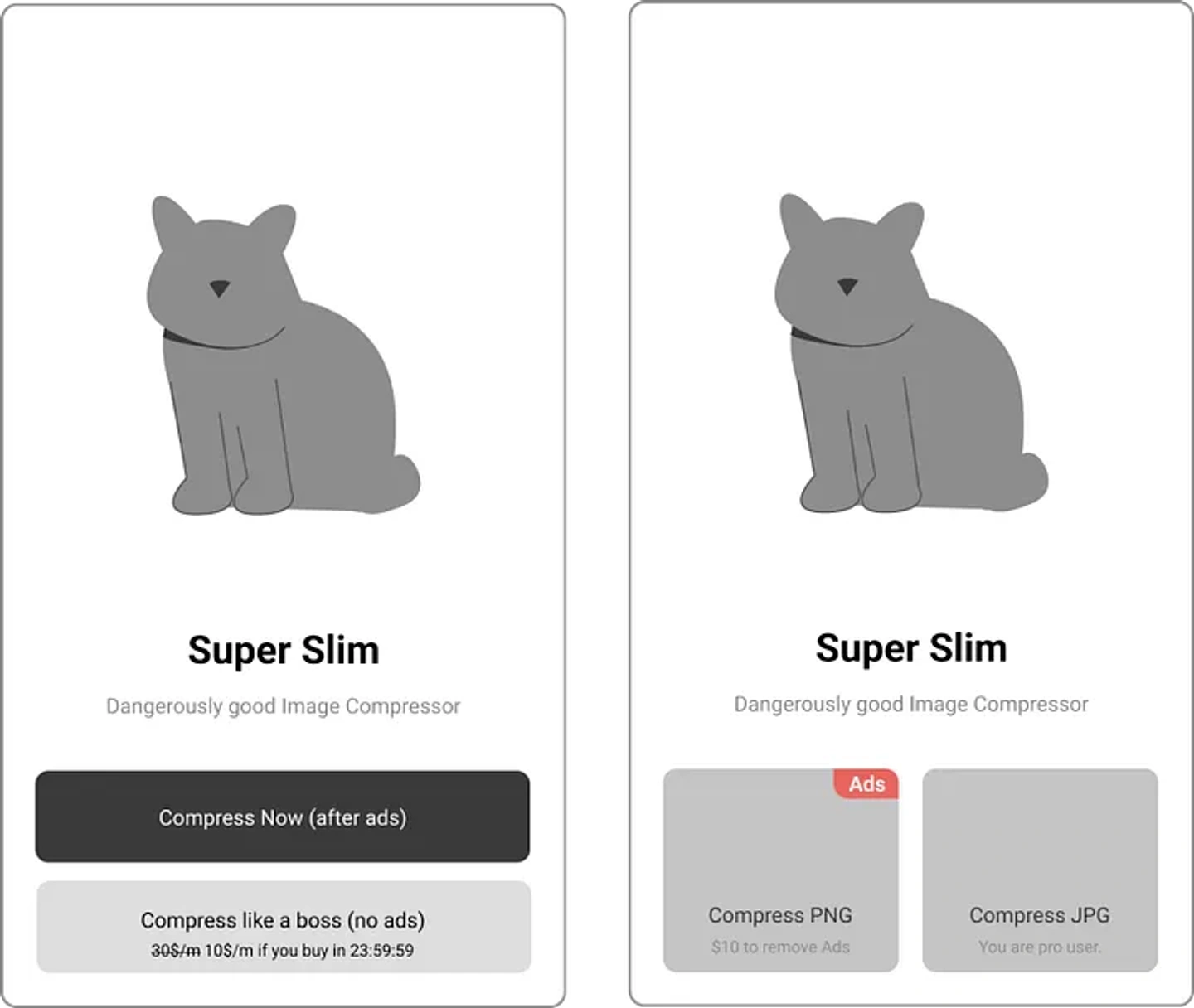
3. Paying to Remove Ads
This is quite common. And it is a good model because business can provide free chance to customers while making money out of Ads. But the problem comes when the service asks a steep subscription fee for only Ads removal — no promise of feature update or maintenance update. If I am an app owner, I will go for one-time fees of Ad removal for a feature, or a service as shown in picture. That way I can make multiple income while giving the customer flexibility.
4. Pro Desktop Tools vs. Continuous SaaS
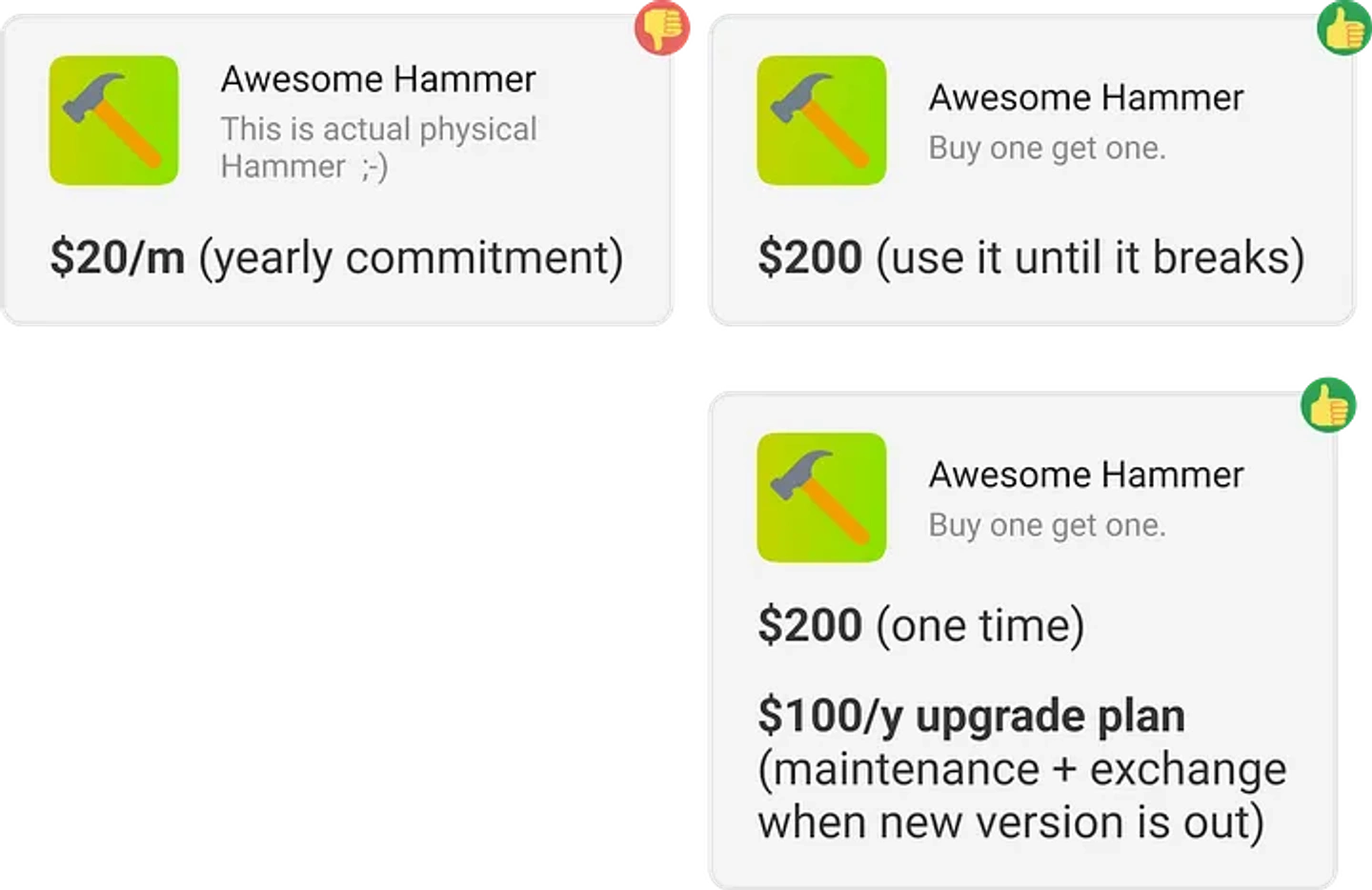
This is the problem I stated at the start. We don’t want to pay for tools that should last very long. Normally digital audio workstations, movie editors, page editors and graphic editors are in this category. We are now witnessing these apps’ transition to subscription models, and they are the priciest of them all. These are heavy desktop apps that went through pricy and lengthy development processes.
Unlike mobile apps or SaaS products, the upgrades from these apps really matter and usually that is the selling point for v2, v3 etc. With that said, I find an interesting transition to subscription model. There is this upgrade plan where you get all updates that are released more frequently in a year. Customers enjoy useful feature updates much earlier while a subscription works. And it is the user’s choice if they don’t need upgrades and keep owning older versions without paying any subscription.
5. Bait Pricing & Feature Gaps
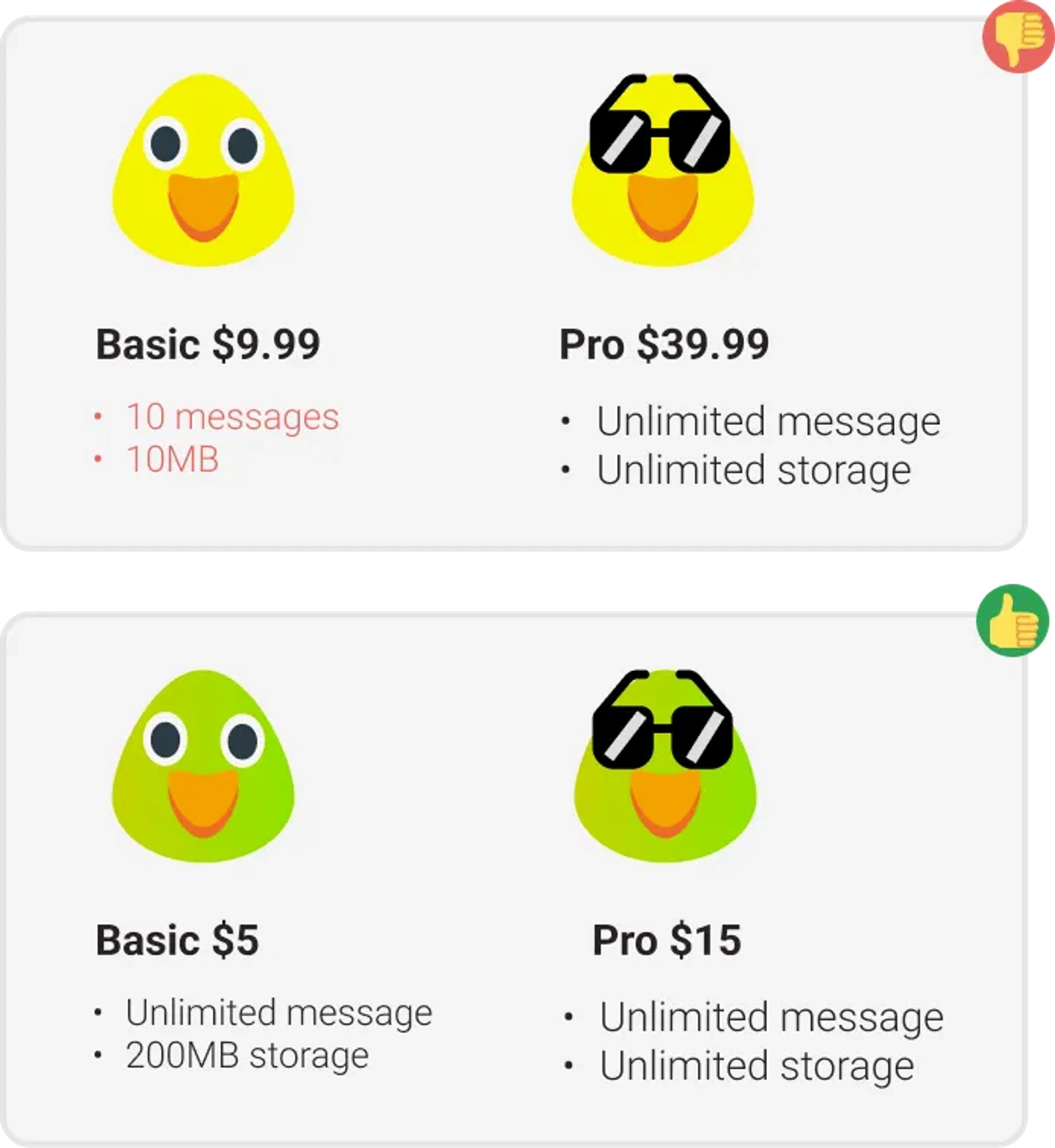
This is fine until the gap between basic and pro (or any name) is too big. Some basic tiers are more limiting than alternative free ones. This is commonly seen in new products wanting to monetize too soon. But it is also problematic if the basic tier becomes too good and pro tier gets less interests.
Designing for True Value
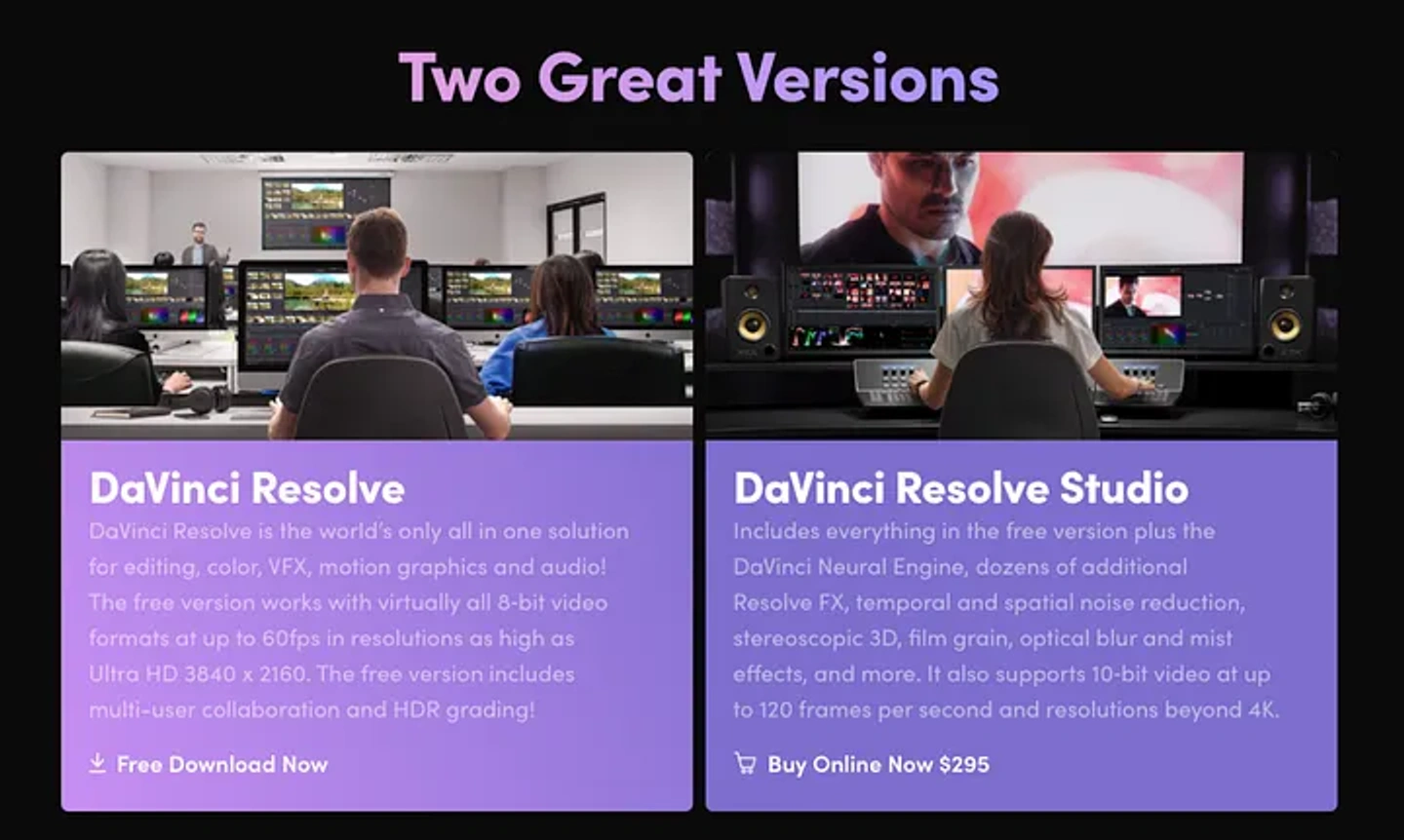
Finally, I really like how Davinci Resolve (Pro Video Editing Software), cut the free and pro line. There are specific features where normal users never need but a must-have for pros. Davinci Resolve only cuts those points. For example, normal users will not need AI background detection.
You might also like
 Sep 15, 2026
Why Custom Apps Cost More Than People Expect
Understanding the real costs behind building software: team salaries, the challenge of building alone, and why an app is an ongoing commitment.
 Sep 15, 2026
Mobile App vs. Web App: What Founders Need to Know
Understanding the real differences between an app you download from the store and an app that runs in your browser.
 Nov 27, 2023
We should try this for Health App Dashboards (Redesigning Withings App)
I am redesigning this for educational purpose. I saw Withings’ announcement in CES 2023, their products look so polished that I started checking their website and found the app.